

HOA participation has a familiar problem: the same handful of people show up, the same voices carry the conversation, and everyone else stays silent until something goes wrong. Then the board gets hit with frustration from residents who have not been involved, and the whole community feels more divided than connected.
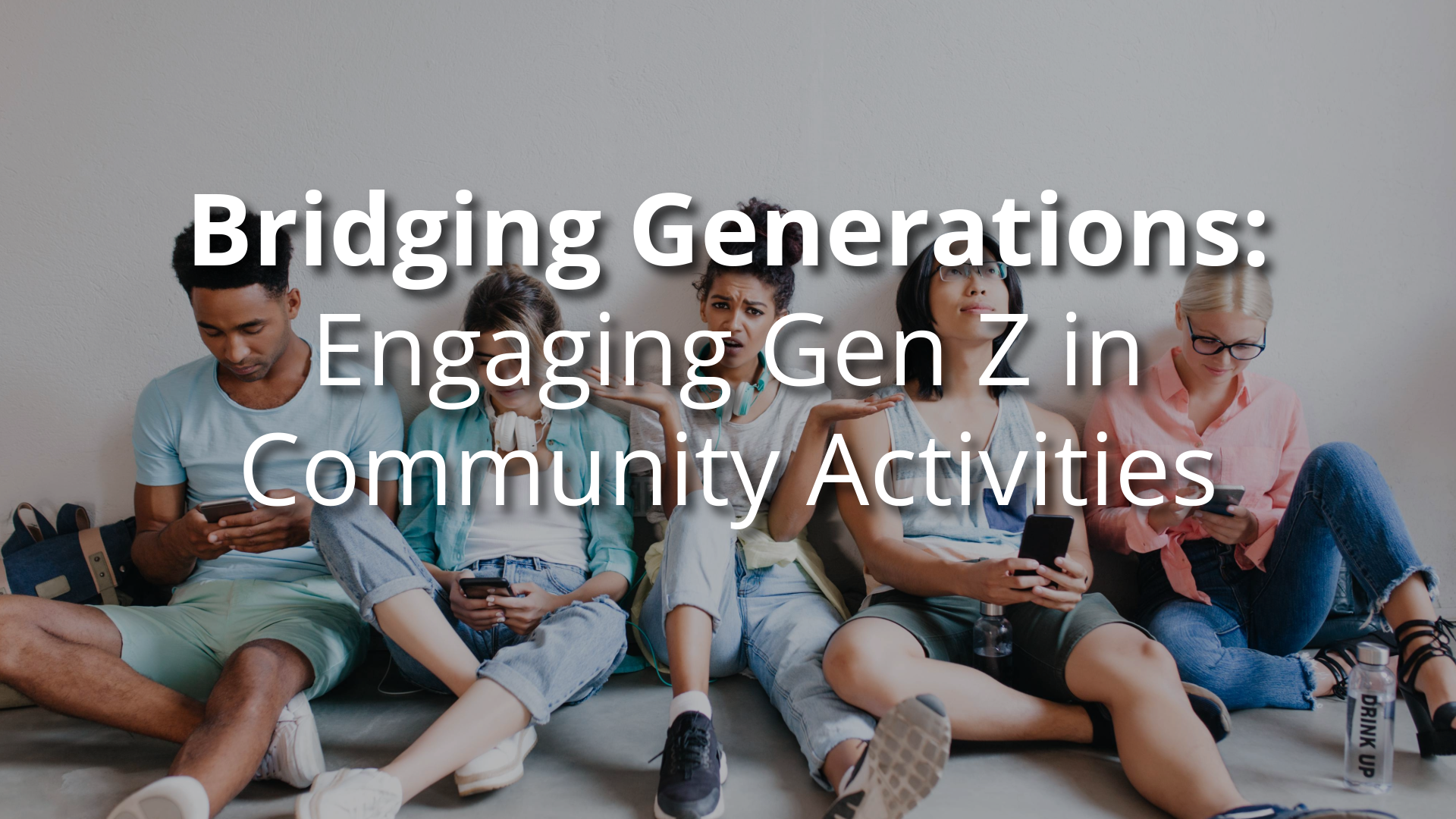
If your neighborhood has Gen Z residents, roughly teens through their mid-to-late 20s, you might be feeling that gap more than ever. They are living busy lives, juggling school, work, family responsibilities, and the constant noise of the online world. The last thing they want is a meeting that feels tense, outdated, or like their voice will not matter.
The good news is this: HOA Gen Z engagement is absolutely doable. When community involvement feels welcoming, useful, and worth the time, younger residents show up. And when they do, HOA community events get more energy, more creativity, and more long-term momentum.
Below are three practical ways to increase HOA generational involvement, without turning it into a gimmick or a forced let’s be cool campaign.
1) Start With What Gen Z Actually Cares About (And Ask Them Directly)
A lot of communities try to attract young people by guessing. More pizza, more flyers, more hype. Usually that misses the point.
Gen Z tends to engage when things feel:
- Real and respectful, not performative
- Purpose-driven, even in small ways
- Fair and transparent, especially around rules and decision-making
- Social but low-pressure, not awkward or overly formal
- Worth the time, with clear value and clear expectations
In HOA terms, that means the first win is not a bigger event. It’s a better invitation.
What this looks like in practice:
- A short, friendly check-in survey: What would make you actually want to come to an HOA community event?
- A casual listening session before a meeting, 15 minutes, no speeches, just conversation
- A direct ask for ideas from residents under 30, especially renters if your community has them
If you want Gen Z to participate, they need to feel like the community is not just asking them to comply, it’s asking them to belong.
A simple shift in tone helps more than people realize. Instead of We need volunteers, try:
We’re trying to make community events more worth your time. What would you show up for?
That message lands differently because it treats them like partners, not an audience.
2) Make Joining In Ridiculously Easy (Communication + Micro-Involvement)
One of the biggest barriers to HOA Gen Z engagement is friction. Not a lack of caring, just a lack of bandwidth.
If the only way to get involved is to attend a long meeting at a set time, read dense emails, or commit to a committee for a full year, most younger residents will opt out, even if they are genuinely interested.
To increase HOA generational involvement, participation needs to come in smaller, more flexible forms.
Meet them where they already are
You do not have to turn your HOA into an influencer account, but you do want to make information easier to access.
Consider:
- Mobile-friendly announcements, short and scannable
- Simple event reminders that do not feel like homework
- QR codes on posted notices that link directly to event details or sign-ups
- Calendar links, so events can be added in one tap
Even if your HOA is not ready for social platforms, you can still modernize how you communicate. The goal is clarity and convenience.
Offer micro roles instead of big commitments
Instead of asking for a year-long committee seat, offer small ways to help that feel doable.
Examples:
- Set up chairs for 20 minutes
- Help run check-in for the first 30 minutes
- Take photos for the newsletter
- Design the flyer
- Pick the playlist
- Bring one item, drinks, ice, or a simple supply
Small roles create a low-stakes entry point. Once someone has helped once, they are far more likely to help again, and eventually step into bigger involvement.
This is how HOA community events stop feeling like something the board puts on and start feeling like something the neighborhood creates together.
3) Build HOA Community Events That Cross Generations (Without Forcing It)
If your events feel like they were designed for one age group, you will keep getting one age group.
The trick is not to create Gen Z events and older resident events. The goal is to design community activities that feel natural for different people at the same time, with room for choice.
A good event does two things:
- It gives people a reason to show up
- It makes it easy to connect once they arrive
Co-plan events with younger residents
This is where a lot of HOAs miss an opportunity. Younger residents are often happy to contribute ideas, they just do not want to walk into a system where every decision is already made.
Invite a small group of residents across age ranges to co-plan one event. Not a permanent committee, just a short-term event crew for one project.
When Gen Z helps shape the event, they will bring friends, they will promote it, and they will feel a sense of ownership. That is the kind of buy-in you cannot manufacture.
Event ideas that tend to work across ages
You can tailor these to your community, but these formats often create strong turnout and real connection:
- Skill-share nights (basic home DIY, budgeting tips, cooking demo, tech help)
- Community service projects (donation drives, cleanup days, school supply packing)
- Casual social events with a purpose (trivia nights, board games, meet your neighbors patio night)
- Wellness events (morning walk groups, beginner yoga, simple fitness class)
- Pet-friendly gatherings (dog meetups, pet photo day, charity tie-in)
The purpose piece matters. It gives people something to do besides small talk, which makes it easier for different ages to mingle without it feeling forced.
Pair generations through mentorship, but keep it natural
Mentorship does not have to mean formal programs and awkward pairings. Sometimes it is as simple as creating moments where people naturally share skills.
For example:
- A tech help table where younger residents help older neighbors with phone settings or apps
- A homeowner basics mini session led by longtime residents who know the property quirks
- A career and resume corner where different generations swap advice
This is what bridging generations really looks like. Not speeches about unity, but small, practical exchanges that build trust.
Building a Community That Includes Everyone
Bridging generations in an HOA is not about getting Gen Z to act like everyone else. It’s about building a community where younger residents feel seen, respected, and genuinely invited into the life of the neighborhood.
If you take nothing else from this, start here: make it easy to join in, and make it feel worth it once they do. When your HOA community events are welcoming, flexible, and shaped by real resident input, generational involvement stops being a struggle and starts becoming part of the culture.At Creative Management, we help HOAs create community engagement strategies that actually work in real life, not just on paper. If you want help planning events, improving communication, or building a stronger sense of connection across your neighborhood, we’re here to support you.