

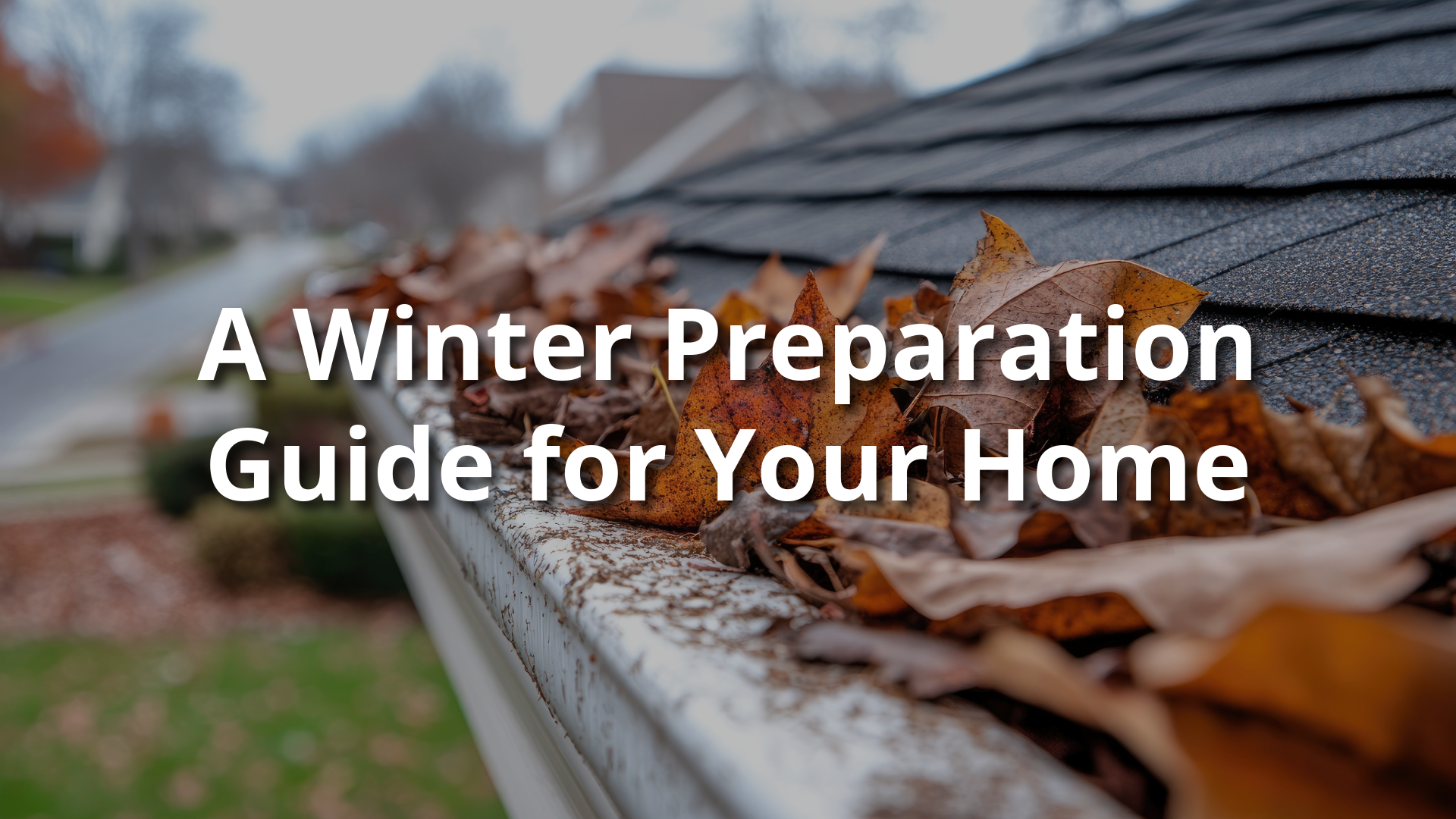
When cold snaps roll in, little issues can snowball into burst pipes, slick walkways, or sky-high energy bills. I’ve pulled together simple, community-minded steps we can all take—homeowners and boards alike—to keep our neighborhoods safe, comfortable, and looking their best. These HOA winter tips focus on prevention, clear communication, and small actions that add up.
1) Before the First Freeze: Exterior & Plumbing Must-Dos
A little prep outside goes a long way toward protecting your home and shared spaces. Start by safeguarding water lines: insulate exposed pipes in garages, attics, and exterior walls, and cap hose bibs with insulated covers. If your landscape uses irrigation, shut the system off, drain it fully, and switch the controller to “off” or a rain/freeze mode so overspray doesn’t create icy patches on sidewalks. It also helps to find your main water shutoff and give it a quick test—being able to close it fast can turn a big problem into a small one.
Roofs and gutters deserve the same attention. Clear out leaves and debris so rain and melting frost can move away from the house, then scan shingles and flashing for gaps that invite leaks. After heavy fall winds, double-check that downspouts extend far enough to carry water off your foundation. Around entries and walkways, fix small trip hazards now, while weather allows. Adding a sturdy mat at the door and keeping a pet-safe de-icer on hand reduces slips when temperatures dip.
Landscapes benefit from a little protection, too. Prune dead or overhanging limbs that could break in a storm, mulch beds to shield roots, and wrap tender plants if hard freezes are common in your area. If you have patio furniture or a grill, store or cover it so high winds don’t turn them into hazards—and keep things neat per your HOA rules. Quick reminder: visible exterior changes such as pipe wraps, screen installations, or storage on balconies may require ARC/ACC review. A fast look at your CC&Rs and guidelines can save time and headaches later.
2) Indoors: Comfort, Safety & Energy-Saving Wins
Cold weather can strain systems and budgets, so a few preventative checks make a real difference. Give your heating system a test run before winter arrives. Replace filters, vacuum return vents, and clear furniture away from registers so warm air can circulate. If you have a gas furnace or boiler, make sure the exhaust and intake lines are unobstructed and schedule routine service if it’s been a while.
Sealing small gaps can boost comfort and lower bills. Weather-strip drafty doors and windows and touch up caulk where you can feel air movement on a breezy day. A simple door sweep can stop a surprising amount of heat loss, and closing your fireplace damper when not in use keeps warm air where it belongs. Ceiling fans on a low, reverse (clockwise) setting gently push rising heat back down into the room.
Fireplace and space-heater safety matters most when days are short and cozy nights are tempting. If you burn wood, a yearly chimney inspection and cleaning keeps creosote in check. Use a protective screen and only burn approved materials. With portable heaters, give them three feet of clear space and plug them directly into a wall outlet, not a power strip. To fight dry indoor air, consider a small humidifier and refresh smoke and carbon monoxide detector batteries. Even daily rhythms can help: open blinds on sunny days to warm rooms naturally, then close them at dusk to hold heat; if your utility offers time-of-use plans, running laundry or cooking during off-peak hours can stretch your energy dollar.
3) Community Coordination: Board & Neighbor Actions That Matter
Stronger winters don’t just test houses—they test how well we look out for each other. Boards can set the tone by sharing a short winter-readiness notice that highlights key policies—holiday décor expectations, guidance on plant protection and balcony storage, and reminders about space-heater safety in multi-family buildings. Confirming vendor schedules ahead of the season keeps landscaping, roof and gutter service, and emergency plumbing support aligned with community needs. A quick walk-through of common areas to check lighting, shutoff valves, drainage grates, and potential trip hazards can prevent accidents before they happen, and staging a few basics—like caution signs and pet-safe de-icer where permitted—makes response easier when cold snaps hit. Keeping an updated list of emergency contacts for management, after-hours vendors, and city utilities rounds out the plan.
Neighbors can help each other in simple, meaningful ways. Sharing these HOA winter prep tips, encouraging early HVAC and plumbing checks, and offering an “Adopt-a-Neighbor” hand—especially for older adults or folks recovering from illness—go a long way. Keeping walkways clear of leaves and debris reduces slick spots after frost or rain, and reporting common-area issues through the HOA’s preferred channel helps maintenance teams move quickly. For anything visible from the outside—temporary plant coverings, pipe wraps, or short-term storage—keep it neat, neutral, and secure, and remove it when conditions improve. When in doubt, ask first to avoid violations and keep the community consistent.
Small Steps, Big Winter Peace of Mind
When we each handle a few small tasks—and check in on a neighbor—winter feels less stressful for everyone. A little prep now protects our homes, keeps common areas safe, and preserves the look and feel we all value. Here’s to a season that’s calm, cared-for, and welcoming.
Have questions about winter policies or coordination in your community? Contact Creative Management—our team is happy to help your board navigate the season with clarity and care.