Receiving HOA complaints shouldn’t be a surprise to many HOA board members. There are many times when residents and HOAs don’t agree on policies and decisions. While many HOA disputes are easily handled internally, directors need to understand the community’s most common issues and how to address them fairly.
What are HOA Complaints?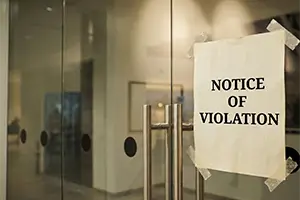
These are concerns that homeowners usually raise when they find something questionable about how the association operates. These complaints usually stem from misunderstandings of policies and governing documents, as well as unclear communication that results in conflict.
Common Complaints Against Homeowners Association
Some of the most common HOA complaints concern how the HOA runs the community. Here are some that you may frequently hear about:
Rule Enforcement Issues
A common cause for disputes between the HOA and residents is the belief that the board is enforcing rules improperly. Homeowners may complain if they notice that the association imposes violation penalties on one resident while overlooking the same violation for others.
To avoid this, the board should ensure that rules and regulations are enforced fairly and consistently. They should always use the governing documents as a basis. As a best practice, keeping detailed inspection records can demonstrate that enforcement was carried out properly.
Excessive or Improper Fines
Being fined excessively or improperly for a very minor violation can also cause residents to complain. It may also arise if a homeowner is fined without sufficient notice or without the opportunity to explain or correct the issue.
In Texas, Property Code Section 209.006 requires the association to provide a written notice before it can impose enforcement actions, such as fines. If your HOA is authorized to levy fines, it must also have an enforcement policy in place that outlines violation categories and a fine collection schedule.
For violations that homeowners can correct and that don’t threaten public health or safety, the HOA needs to give homeowners the opportunity to correct them. Residents who qualify for this can also request a board hearing to explain their side.
Architectural Review Delays and Denials
In HOA communities, resident who want to change the design of their exterior elements need to submit an architectural request. However, requests denied without clear reasons or that don’t receive a prompt response can easily frustrate most homeowners, leading to complaints.
Under Section 209.00505, Texas HOAs that have over 40 lots allow residents to appeal an ARC request denial to the board. The denial notice sent by the board should always explain the basis for the decision in reasonable detail. It should also mention the homeowners’ right to request a hearing.
Lack of Access to HOA Records
Running an HOA involves the homeowners’ money through HOA fees. The main way they can monitor if that money is being spent properly is through HOA records. However, in some associations, the HOA board fails to provide detailed records or limits access to reports. This causes residents to question the HOA’s transparency, becoming a major source of HOA complaints.
Section 209.005 generally requires Texas associations to make books and records reasonably available to owners. If residents want to examine the records, they must submit a written request specifying which documents they want to review. Most of the time, the HOA would need to respond, provide access, or provide copies within 10 business days.
Closed Meetings or Poor Notice
Another one of the most common HOA complaints you may encounter involves closed meetings and inadequate notices. In Texas, legislation requires both regular and special board meetings to be open to all members of the association. Confidential matters may be discussed in a closed executive session.
Apart from the meeting itself, the notice for these meetings should also be sent out in a timely manner. Meeting minutes should also be provided in a timely manner.
Assessment Disputes
Another source of conflict between the association and its members is the price of assessments. These would include both regular and special assessments, as well as how they’re likely collected.
Residents may doubt your HOA’s intentions if they find assessment prices unreasonably high or if there’s a sudden, unjustified increase that is too steep. They may file a dispute questioning why the additional costs were imposed.
Maintenance Issues
Residents can easily notice if common areas and amenities around their community are not well maintained. Having unrepaired common elements and shared amenities in disarray is a cause for concern for many homeowners. These disputes can even escalate if the homeowner questions how the maintenance fund is being used beyond the upkeep of these common areas.
How to File a Complaint Against an HOA in Texas
If a resident wants to file HOA complaints against the board, they should always start with the association’s internal process. Texas generally doesn’t have a single state agency that closely regulates every HOA dispute.
Here are the steps a resident can take.
1. Review The Governing Documents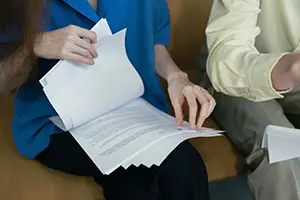
The first thing you must do before filing a complaint is to check your governing documents and see whether the board’s actions are inconsistent with or in violation of them. These documents outline what your association can and can’t do, along with your rights as a homeowner.
By taking this step, the resident can check whether the board made the decision or took the action within its authority. It also helps the homeowner identify the specific policy or rule at issue in the complaint.
2. Gather Supporting Documents
Residents can’t file a valid complaint without evidence. For this, they should collect all related records and supporting documents involved in the dispute. These documents may include communications between the resident and the HOA or association records in which an anomaly or inconsistency was identified. In some cases, usually involving maintenance issues or architectural requests, photographs can be helpful.
Having good documentation makes it easier to investigate and review your complaint.
3. Write a Clear Complaint
The HOA complaint should be formally made in writing and should be submitted to the board or the property manager.. It should include a detailed account of the dispute, explaining the issue and the rule or policy it may have violated.
For incidents, the report must describe what happened. Apart from the facts of the case, the complaint should also include the possible resolution the resident is seeking.
4. Follow-up in Writing
If the board or HOA manager fails to respond within the time period stated in the complaint process, the resident may send a written follow-up. This should include the original complaint and a request for an update on the case.
5. Consider Mediation or Legal Help
There are times when the HOA ignores the complaint or the issue stays unresolved. In these situations, a homeowner may have no other choice but to consider mediation or legal counsel. However, these steps should always be a last resort and should be taken only if all else fails.
Addressing Resident Complaints
Receiving complaints from homeowners shouldn’t always be seen as a negative thing. Your HOA operations may have holes that go unnoticed until a dispute is filed. When receiving them, the board should take complaints seriously and review them fairly and consistently.
Creative Management Company offers professional community management for HOAs and condo communities in the Greater Houston area. Call us today at 713-772-4420 or contact us online to learn more!
Related Articles:
- Is HOA Financial Only Management the Right Service for You?
- When Can Homeowners Sue HOA Board Members?
- How an HOA Reserve Study Helps Prevent Special Assessments