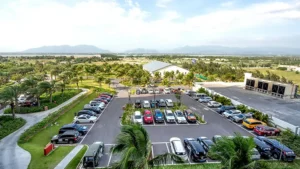
Having HOA parking rules helps keep neighborhoods safe and organized. However, it’s also one of the most notorious policies, causing many disputes among residents. How should your board manage this?
What are HOA Parking Rules?
A homeowners association may have parking rules that govern where residents and guests can park on the street. Usually, these are found as part of your HOA’s governing documents or as one of your board’s adopted policies.
A parking policy typically outlines rules for resident and guest parking, as well as regulations for overnight parking and assigned spaces. It may also have information for commercial vehicles and trailers.
Usually, private streets and common-area parking are handled by the HOA. However, public streets, since they’re controlled by the local government, can be tricky to monitor. As such, the HOA will have
Private streets and common-area parking lots are usually easier for an HOA to regulate. Public streets are different because they are controlled by the city or county. This is why boards must understand local laws before issuing fines or authorizing towing.
HOA Rules On Parking and Street Parking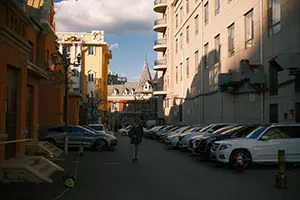
Many homeowners have issues with street parking. Most residents believe they have the right to park in front of their homes. However, in HOA communities, that’s not necessarily the case. Here’s what you need to know.
Public Street Vs Private Street Parking
To find out how to properly handle street parking, you need to know where an area’s jurisdiction falls under. Is it a public street or a private one?
Public streets are subject to parking laws and ordinances set by the government. While your association may have related parking rules in its governing documents, the enforcement for public streets is usually limited.
Meanwhile, the HOA has greater oversight over private streets. The board may set rules to regulate parking in general. However, directors should keep in mind that such rules must be consistent with and compliant with state laws and local ordinances.
HOA Parking on Street
When creating HOA parking on-street rules, the policies you adopt need to be both clear and specific to avoid arguments. Vague rules can easily lead to homeowner disputes, since they’re open to many different interpretations.
Clear policies should outline instances when street parking is allowed. In general, it should indicate how long a vehicle can stay parked and where the rules apply to residents and guests.
The board should also factor in road and parking access in cases of emergencies. These should be considered especially on narrower streets, where roadside parking may block fire trucks and ambulances responding.
Overnight Parking Disputes
Restrictions on overnight parking are common in planned communities. HOAs have these in place to prevent the neighborhood’s streets from turning into storage for abandoned cars.
When it comes to overnight parking, disputes take place when a homeowner tends to have more vehicles than their garage or driveway can accommodate.
If your HOA wants to adopt a fair overnight parking policy, you may restrict this while also allowing temporary approvals. Having these in place can help homeowners manage short-term needs without violating or ignoring the policy entirely.
Larger Cars: Commercial Vehicles and RV Restrictions
Larger vehicles, such as commercial units and RVs, often lead to disputes and HOA parking problems. Because of their size and appearance, they can detract from the street’s curb appeal and occupy limited space.
For commercial vehicles, the HOA should clearly define what counts as a commercial vehicle. Rules regarding their parking should also explain which characteristics they are based on, such as size, weight, equipment, and use.
Meanwhile, RV rules should also be clear and detailed. Determine whether your HOA allows RVs to be loaded and unloaded before a trip. Some associations don’t allow them unless they’re stored in an enclosed garage. Additionally, rules for RVs should specify where they can be parked and how long they can stay.
HOA Parking Permit and Guest Pass Rules
One way an HOA can control limited parking is by having a permit system. However, if inefficient, this can frustrate homeowners, especially if the process of getting them is confusing. When creating a policy for this, you need to outline who can get them, how many permits are allowed, where they should be displayed, and how to get them.
Along with this, guest parking policies should also be detailed. Residents need to know whether guests coming over will need parking passes. They should also indicate how long guests may park and whether overnight parking is allowed.
Assigned Spaces and Common Area Parking
While these are more common in condominiums, assigned spaces and common-area parking may still apply in some HOA communities.
However, these rules may also lead to HOA disputes between neighbors, especially if one party occupies the wrong spot or uses space that isn’t theirs.
To avoid this, boards should decide how the rights to these spaces are distributed. Are they under a deed or just assigned by the community? The way your board handles this would depend on your existing policies, if there are
Another consideration is whether residents are allowed to lend or rent the spaces or to transfer parking rights altogether. For this, having written records of who occupies which spaces can help manage disputes and complaints when they happen.
Common areas should have their own parking rules. That policy should specify which spaces are allocated to residents and which are for guests. They should also outline rules on short-term parking and general overflow parking.
HOA Parking Violation Notice and Towing
If a resident violates a parking rule, the HOA should issue a formal notice. This parking violation notice should clearly include the necessary information, including vehicle information and incident details. It should outline what rule was violated, as well as when and where it happened.
Sending out vague notices can make residents feel like the rules are not being enforced properly and that they are being unfairly targeted.
To avoid this, the board should follow the enforcement procedures set forth in the governing documents. This would include providing a written notice and having a hearing. For issues that can be corrected, the process usually also provides residents with the opportunity to do so.
When it comes to towing, the board should ensure that this is done carefully. Under Texas Occupations Code Chapter 2308, an HOA with control over assigned or unassigned parking areas may qualify as a “parking facility owner” and tow unauthorized vehicles if it meets state requirements. These can include proper towing signage and the conditions for non-consent towing. Boards should also check applicable local towing laws, as improper towing can expose the HOA to liability.
Avoiding Parking Disputes and Problems
Usually, disputes stem from misunderstandings, and the same goes for HOA parking rules. To avoid this, policies should be clear and fair for everyone involved.
Creative Management Company offers professional community management for HOAs and condo communities in the Greater Houston area. Call us today at 713-772-4420 or contact us online to learn more!
Related Articles:
- What Is A Resort Community And How To Manage One?
- HOA Rules That Cause the Most Disputes
- HOA Customer Service Standards Every HOA Should Look For