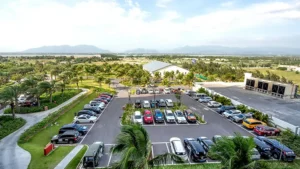
Providing a good mix of residential living with vacation-focused services and atmosphere, a resort community is a fun choice for many. However, with this unique way of living, the HOA board needs to manage the association that balances that lifestyle with practical operations and finances.
What is a Resort Community?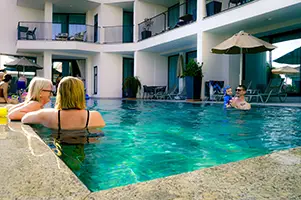
Resort communities are residential neighborhoods designed with comfort and recreation in mind. It provides residents with easy access to common amenities that make the community feel like a vacation spot instead of a standard residential neighborhood.
As expected in this type of community, this type of development would have swimming pools as one of its top features. It also includes common recreational amenities, such as fitness clubs, golf courses, restaurants, and even trails.
Its primary difference from other planned communities is its focus on the vacation lifestyle experience. Because of this, managing the HOA becomes more demanding due to the specific services and atmosphere this community requires.
Resort Communities vs Regular HOA Communities
While they’re both essentially residential neighborhoods, a resort community and regular planned communities differ in several ways. Because of this, managing each would also vary.
In managing regular planned communities, the association will have to focus mostly on standard operations. This would include rules enforcement and common area maintenance, among others.
On the other hand, a resort community’s association will have to factor in more amenities and focus on meeting higher service expectations. This means residents here expect quicker repairs and consistent upkeep of amenities.
Resort communities also often suffer more wear and tear. With their pools, clubhouses, gyms, and other recreational spaces constantly being used, all of the elements and equipment wear down much more quickly. Because of this, the board will need to plan for more frequent repairs and better vendor oversight.
How to Handle Resort Community Management
Managing a resort community requires a hands-on approach. Here are some of the functions the association and its board will need to focus on in resort communities:
1. Amenity Maintenance
Shared amenities are usually the main draw of a resort community. Because of this, proper and regular maintenance should be a priority for the association. However, this is also one of the highest costs an HOA for a resort community will have to budget for.
To ensure your shared amenities are in the best shape, the board needs to schedule regular inspections. Repairs should be done promptly, and the equipment and area should be cleaned regularly.
It’s also best practice to perform preventive maintenance for your community’s amenities. If you rely on delayed repairs, equipment may fail, and issues may become bigger.
2. Vendor Management
The association and its board are not the ones actually doing the maintenance and repairs to these amenities. Those are usually done by contractors and vendors who offer specialized services. HOAs of resort communities will have to rely on them to ensure everything is in the best shape.
When creating a contract with vendors, the board needs to make sure it clearly outlines the scope of work. It should also include how often their services are needed and, of course, pricing.
Apart from creating contracts, a resort community’s HOA board should also review the quality of work their vendors deliver.
3. Rule Enforcement
Since resort communities tend to have many shared amenities, you will need clear rules on how people should conduct themselves while using those facilities. With many people, pools and gyms can become unsafe and easily damaged.
When creating policies, you will need to consider granting access and how guests should use the facilities. You should also consider what hours these areas remain open and what behavior is expected of people.
Policies should be clear and easy to understand so that it’s also easy to enforce.
4. Budgeting for a Resort Community
The operations of a resort community will usually cost more than regular homeowners associations. With common amenities, you will also have more maintenance costs and higher insurance premiums. You will also need to pay for utility bills and the staff running the place.
When creating the annual HOA budget, boards in resort neighborhoods should be transparent in accounting for the cost of that lifestyle. When assessments are too low, the neighborhood may not get enough funding for basic necessities such as maintenance and repairs.
5. Reserve Planning
Similar to any homeowners association, a resort community’s HOA also needs reserve funds and studies. In fact, it may be even more important in this setting, given the additional services and facilities it offers.
Having a reserve study will help your HOA board plan for the costs of repairs and replacements. It assesses the common components that your association is responsible for maintaining and the estimated time they will last.
With that in place, the board will have enough information to estimate how much money would need to be set aside for the reserve fund each year.
6. Resident Communications
Effective communication channels are a must in resort communities. It’s how homeowners will know facility rules, when amenities are open, why rules exist, and what events are happening around the neighborhood.
There are several ways for your HOA to do this, and usually, most neighborhoods use a combination of them. There’s the traditional or physical way of sending notices, either via a bulletin board or by sending physical notices and letters to homes. On the other hand, digital means, such as the HOA website, e-mail, homeowners portal, and social media, provide a more modern and convenient alternative.
7. Handling Complaints
Similar to any neighborhood, handling complaints should remain professional and well documented. In a resort community, your residents’ expectations are higher, so minor service issues, if not handled properly, can quickly become larger concerns.
For this, your board will need to have a proper way of receiving and processing complaints. This should be clear and fair.
8. Safety and Risk Management
In a resort community, your residents’ safety should be a top priority. Common amenities and facilities can easily create liability risks if left unmonitored.
For this, your HOA board will need to cover all bases. They need to ensure compliance with safety codes and that maintenance is completed regularly.
Insurance should also be reviewed regularly. Resort-style amenities may increase liability exposure. The board should work with qualified insurance professionals to make sure the community has appropriate coverage.
Managing the Lifestyle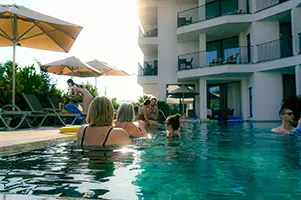
Managing a resort community requires planning and a consistent follow-through. When the HOA is hands-on and knows its duties, it will show in the quality of common amenities and services it provides to its residents. This easily preserves the resort lifestyle that homeowners value.
Creative Management Company offers association management services to HOAs and condo communities in Greater Houston. Call us today at 713-772-4420 or contact us online to learn more!
Related Articles:
- How an HOA Reserve Study Helps Prevent Special Assessments
- ARC Request HOA Process: How Boards Can Handle Requests Fairly
- Should Homeowners Evaluate The HOA Board Regularly?